
Insights on Divorce and Real Estate
Property Acquisition Date and Use During Marriage
A crucial factor in determining what happens to real estate during a divorce is when the property was acquired. If one party bought the property before marriage, it might be classified as a pre-marital asset, belonging solely to that spouse. However, if the property served as the couple’s home or contributed to marital income, it could be considered a marital asset subject to equitable division between both spouses.
In many states, it is possible to retain exclusive ownership of property acquired before marriage, even without a prenuptial agreement. The key is that the property must remain exclusively for the owner spouse's benefit. If the owner begins to share its use or any income derived from it (like depositing proceeds into a joint account), that exclusive ownership may be jeopardized.
Property acquired during marriage, or used for marital purposes (like serving as the couple's residence), is typically regarded as a joint asset and should be divided fairly between the partners.
Resolving Property Issues Amicably
If both parties remain civil and seek a straightforward resolution, selling the property can be an effective option. The main concern will be how to split the proceeds, which can sometimes lead to disputes. If the parties can agree in advance, they can avoid significant complications during the sale.
Alternatively, involving attorneys for negotiations or hiring a mediator can help establish an appropriate division of the sale proceeds. If these options fail, a judge will ultimately make a decision based on facts and law, which may leave both parties dissatisfied.
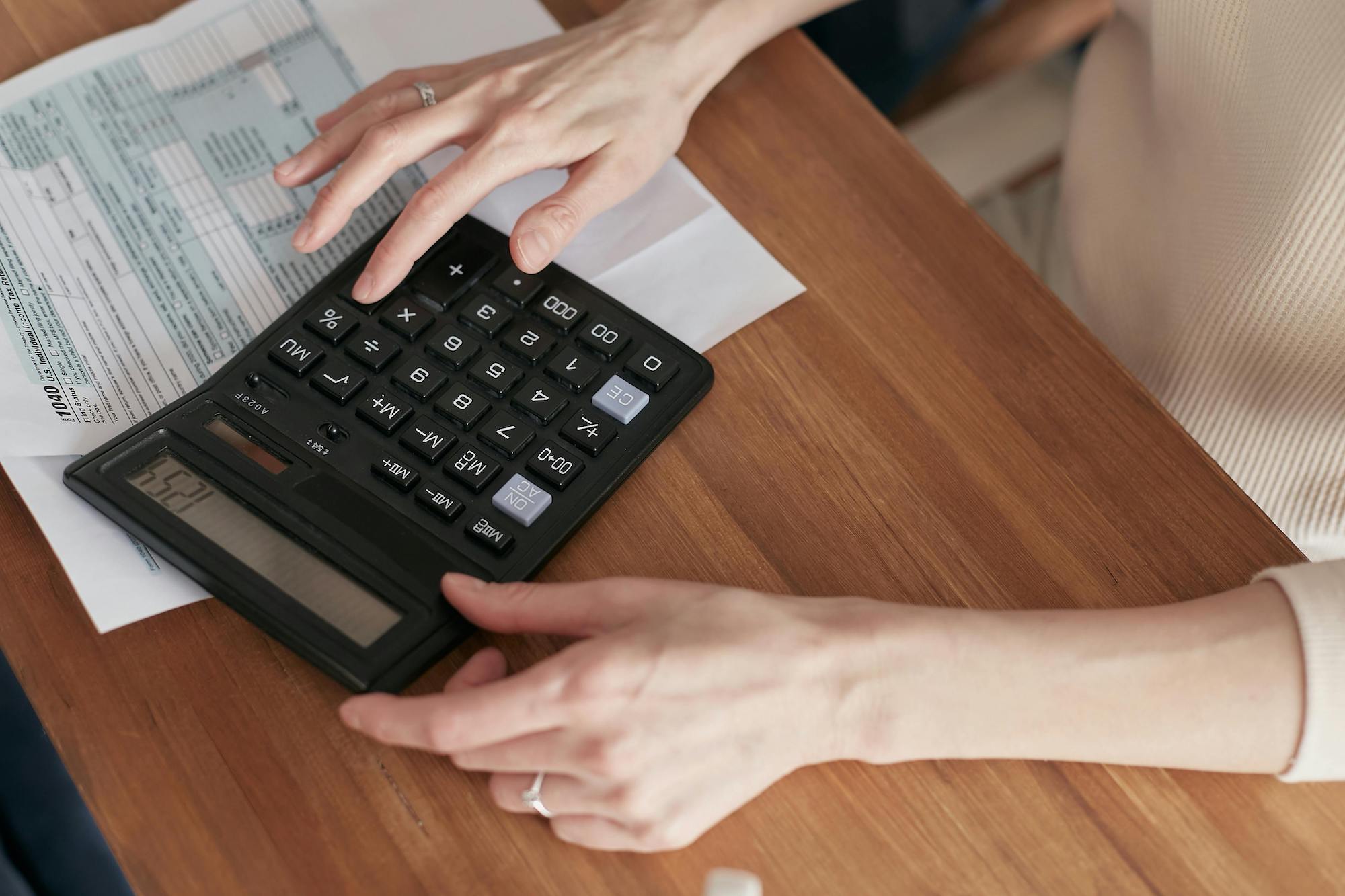
A common approach to determining how to split the proceeds from a property sale is to assess each spouse's contribution. For instance, if one party contributed 60% of the purchase price and later paid 40% of the mortgage, that reflects their share in the property. By calculating the percentage of the total value each contributed, they can fairly divide the proceeds from the sale.
What if Both Parties Want the House?
When both ex-spouses wish to retain ownership of the property, whether for financial reasons or personal attachment, complications can arise. If one party agrees to relinquish their claim, the other can simply “buy out” their interest. This requires removing the departing spouse from deeds, mortgages, or other obligations related to the property.
Conversely, if both parties want to keep the property, a judge will need to make a determination. Typically, one party will be awarded ownership, possibly in exchange for other assets they might have preferred to keep. This ensures neither party gains more from the divorce than the other, but it often means sacrificing other desirable items. Thus, it is usually advisable to try to resolve property disputes amicably, rather than resorting to court.
Deciding who will retain the family home—or whether it will be sold—can be one of the toughest choices during a divorce. A house is often the family's most valuable asset, and emotional attachments can complicate matters further. If children are involved, additional emotional and practical factors must also be considered.
Determining Ownership
The initial step in deciding who keeps the home or if it will be sold is to clarify ownership. While this may seem straightforward, it is not always clear-cut.
Community Property Guidelines
In California, property acquired during marriage is presumed to be "community property," meaning both spouses equally share ownership (unless acquired via inheritance or gift).
In the simplest scenario, if both spouses purchased the home together during the marriage (using community funds) and both are on the title, the home is community property, and both have equal interest.
However, ownership can be more complicated. For example, if a home bought during marriage is titled solely in one spouse's name, this may suggest it is separate property belonging to that spouse.
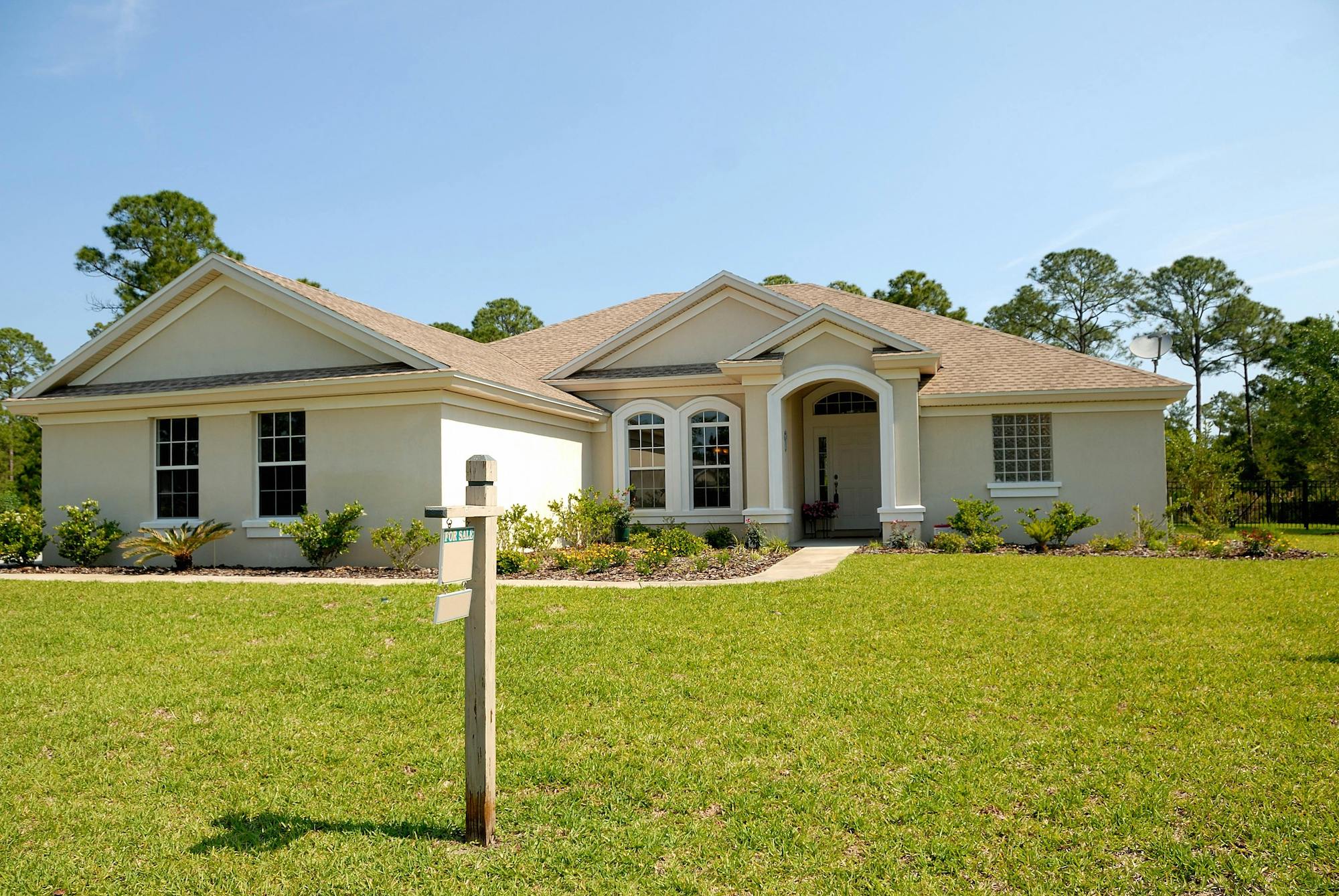
The other spouse can counter this presumption by demonstrating that there was an agreement or understanding that the house belonged to both, despite the title being in one name. However, disproving the title presumption can be challenging and requires substantial evidence of intent for joint ownership.
Separate Property Acquired Before Marriage
A home purchased by a spouse before marriage is typically considered their separate property. However, if the non-titled spouse contributes financially to the mortgage or makes improvements during the marriage, they may have an interest in the home, which could be significant, especially in long-term marriages.
Who Keeps the House After Divorce?
If the house is separate property, the owning spouse will retain it. If it is community property, several options exist for division, either by mutual agreement or through a court order in the divorce judgment.
Sale and Profit Division
Spouses may agree to sell the home and split the proceeds. This is often the most viable option when neither spouse can afford to maintain ownership independently.

Buy-Out Option
Another choice is for one spouse to assume full ownership of the home and compensate the other for their share. The buying spouse will need to refinance to remove the selling spouse from the mortgage.
When assessing whether the buying spouse can afford full ownership, several costs must be considered, including:
- monthly mortgage payments
- insurance
- utilities, repairs, and maintenance
- property taxes
Tax implications also play a crucial role in the financial equation. It’s essential to determine if the buying spouse qualifies for a mortgage interest tax deduction.
Additionally, sometimes the court may require, or spouses may agree, that the selling spouse pays the mortgage as a form of spousal support. If so, the paying spouse can claim a tax deduction for these payments, while the spouse keeping the home would report them as income but may still be eligible for the mortgage interest deduction.
Consulting a tax advisor for detailed guidance on these issues is advisable.
Joint Title/Deferred Sale
When minor children are involved, the court may issue a “deferred sale of home” order, temporarily postponing the sale of the home. In this case, both spouses retain joint ownership for a specified time, allowing the custodial parent exclusive use during this period. The aim is to minimize the divorce's impact on the children.
The court must first establish if the spouses can afford the home's expenses post-divorce, considering their incomes, available support, and other financial resources.
If a deferred sale is financially viable, the court will then assess whether it is necessary to lessen the divorce's impact on the children, considering factors such as:
- the duration the children have lived in the home
- the children's ages and school grades
- proximity to the children’s school, childcare, and other essential services
- any modifications made to accommodate disabilities of a child or custodial parent
- the emotional effects of moving on the children
- the parent's ability to maintain employment due to location
- each spouse's financial capability to secure suitable housing
- the tax consequences of a delayed sale
- the potential negative financial impacts on the non-residing parent
- any other relevant and fair considerations the court finds important.
A deferred sale order will specify the duration it remains in effect, after which the spouses must sell the home.
Community Funds for Separate Property
As mentioned, property bought before marriage is generally separate. However, if community funds are used for mortgage payments or home improvements during marriage, the other spouse may acquire an interest in the property. During the divorce, the court will calculate that spouse's interest in the home and reimburse them for those contributions.